

Reclaim Your Vision Today
Digital screens shouldn't cost you your eyesight. Discover proven daily habits and rest techniques that reduce eye strain, boost focus, and protect your long-term vision health.
The information on this site is for educational purposes only and does not constitute medical advice. Always consult a qualified healthcare professional before making health decisions.
The Reality of Digital Eye Strain
Average daily screen time
Most people exceed safe viewing limits without realizing the impact.
Suffer from eye discomfort
Digital eye strain affects millions of office workers and students.
The proven rest rule
Every 20 minutes, look 20 feet away for 20 seconds of relief.
Prevention is possible
Simple daily habits can eliminate or significantly reduce strain symptoms.
Essential Daily Habits for Eye Health
Transform your daily routine with science-backed practices that protect your vision and enhance your comfort at work or home.
The 20-20-20 Rule
Every 20 minutes of screen time, pause and look at something 20 feet away for at least 20 seconds. This simple practice relaxes your eye muscles and prevents accommodation fatigue that builds throughout the day.
Set phone reminders or use apps to build this habit into your workflow without thinking about it.
Optimize Your Lighting
Position your desk perpendicular to windows and use indirect lighting to avoid glare on screens. Bright overhead lights or sunlight reflected on your monitor forces your eyes to work harder and causes rapid fatigue.
Consider a desk lamp with warm, diffused light at roughly the same brightness as your monitor.
Distance & Positioning
Keep your screen 20–26 inches from your eyes (roughly an arm's length away) and position the top of the monitor at or slightly below eye level. This ergonomic setup reduces neck strain and encourages a comfortable focal distance.
Adjust your chair height and desk position so your arms rest at a 90-degree angle when typing.
Conscious Blinking
Screen work reduces blinking by up to 50%, leading to dry eyes and irritation. Make blinking a conscious habit by pausing deliberately every few minutes to blink fully and slowly, rewetting your eyes naturally.
Blink 10–15 times slowly during your 20-second rest break to keep your tear film healthy.
Reduce Blue Light Exposure
Use blue light filter settings on your devices (Night Shift, Windows Night Light) or consider blue light glasses, especially during evening hours. Blue light can suppress melatonin and disturb sleep, which affects eye recovery.
Start reducing blue light exposure 1–2 hours before bed to support natural sleep cycles.
Sleep & Hydration
Quality sleep is when your eyes truly recover from daily strain. Aim for 7–9 hours nightly and drink plenty of water throughout the day. Dehydration reduces tear production, making eyes more vulnerable to dryness and fatigue.
A well-rested body and healthy tear film are the foundation of sustained eye comfort.
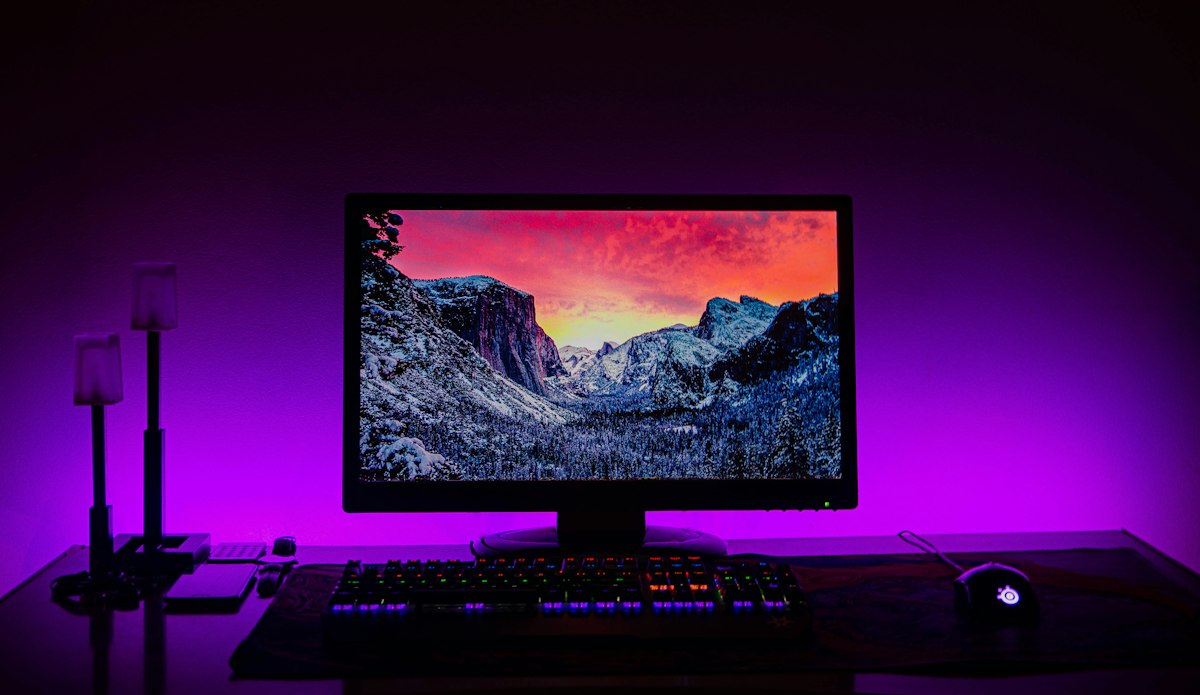
Why the 20-20-20 Rule Works
When you focus on a screen, your eye muscles (ciliary muscles) contract and stay locked in a fixed focal length. This sustained tension leads to accommodation fatigue—the primary cause of digital eye strain. The 20-20-20 rule interrupts this cycle.
20 Minutes of Work
Focus intensely on your task. Your eyes are working hard, and muscle tension is building.
Look 20 Feet Away
Shift your gaze to something in the distance. This allows the ciliary muscles to relax completely and return to their resting state.
For 20 Seconds
Even this brief pause is enough to reset accommodation and give your eyes measurable relief. Consistency is more important than duration.
Studies show that workers who follow the 20-20-20 rule report 50% fewer symptoms of eye strain by the end of the workday. It's simple, free, and requires no equipment—just intentional pausing.
Common Questions About Eye Strain
How do I know if I have digital eye strain?
Common symptoms include dry or gritty eyes, blurred vision after long screen time, headaches, neck or shoulder tension, difficulty focusing, and general eye discomfort. If you experience these regularly, you likely have digital eye strain (also called computer vision syndrome).
Can eye strain cause permanent damage?
Occasional eye strain is temporary and reversible—it resolves with rest. However, chronic, unchecked strain can contribute to vision problems over time and accelerate existing conditions. Prevention through daily habits is far more effective than trying to reverse long-term damage.
How quickly will I notice improvement?
Many people feel relief within days of implementing the 20-20-20 rule and proper workspace setup. More significant improvements in overall eye comfort typically appear within 2–4 weeks of consistent habit changes. Results vary based on the severity of your initial strain.
Are blue light glasses really necessary?
Blue light glasses can help, especially for evening screen use, but they are not essential. Built-in software filters (Night Shift, Night Light) are often just as effective and free. The 20-20-20 rule and proper lighting are more impactful than any glasses alone.
What role does nutrition play in eye health?
Nutrition is fundamental. Antioxidants like lutein, zeaxanthin, vitamins C and E, and omega-3 fatty acids support eye structure and reduce inflammation. Foods like leafy greens, fatty fish, nuts, and colorful vegetables strengthen your eyes from within and improve tear quality.
Should I get special lenses for computer work?
Computer glasses (with blue light filtering or special anti-glare coatings) can provide additional comfort, especially if you already wear correction lenses. However, they are an enhancement—not a replacement for proper posture, lighting, and the 20-20-20 rule.
Real Results from Real Readers
"I was getting afternoon headaches almost daily from my office work. After I started following the 20-20-20 rule and adjusted my monitor height, I noticed a significant improvement in my daily comfort. The simple habit change made a huge difference in my productivity and comfort."
Maria Santos
Makati, Philippines
"As a freelance designer, I'm at my computer 10+ hours a day. The dry eye symptoms were becoming unbearable, but I was hesitant about any invasive options. This guide taught me about proper lighting, conscious blinking, and the importance of sleep recovery. My eyes feel clearer and less irritated now."
Daniel Reyes
Cebu City, Philippines
"The information about nutrition and eye health was eye-opening—no pun intended. I added more leafy greens and omega-3s to my diet along with the workspace changes. The combination of better habits and better nutrition has really improved how my eyes feel by day's end."
Jennifer Cruz
Manila, Philippines
Your 30-Day Eye Relief Journey
Follow this structured progression to build lasting eye-healthy habits and notice measurable improvement in comfort, focus, and vision clarity.
1 Week 1: Foundation Building
- Install a timer app: Set reminders to implement the 20-20-20 rule every 20 minutes.
- Measure your setup: Check your monitor distance and adjust to 20–26 inches from your eyes.
- Reduce glare: Adjust lighting or use anti-glare screen protectors to eliminate harsh reflections.
- Conscious blinking: Practice slow, deliberate blinks during your 20-second breaks.
Expected outcome: You may begin to notice an improvement in eye comfort by the end of the week.
2 Week 2: Habit Reinforcement
- Enable blue light filters: Turn on Night Shift (Mac), Windows Night Light, or equivalent on all devices.
- Increase hydration: Drink 8–10 glasses of water daily to support natural tear production.
- Perfect your break routine: Make your 20-second distant gaze a ritual—look out a window or across the room.
- Check your posture: Ensure your chair supports upright seating with monitor at eye level.
Expected outcome: The 20-20-20 rule becomes automatic; dry eye symptoms should diminish noticeably.
3 Week 3: Nutritional Support
- Add antioxidant-rich foods: Include spinach, kale, carrots, and blueberries in your daily meals.
- Eat omega-3 sources: Consume fatty fish (salmon, mackerel), walnuts, or flax seeds several times weekly.
- Improve sleep hygiene: Reduce screen time 1 hour before bed to support natural eye recovery.
- Track how you feel: Write down daily symptoms to measure progress objectively.
Expected outcome: Vision clarity improves; eye fatigue becomes significantly less pronounced.
4 Week 4: Optimization & Maintenance
- Review your workspace: Fine-tune lighting, desk arrangement, and equipment based on 3 weeks of experience.
- Build flexibility: Adjust your routine for different workdays and maintain consistency on weekends.
- Plan long-term: Commit to these habits as permanent lifestyle changes, not temporary fixes.
- Share your success: Help colleagues and friends adopt the same healthy habits you've learned.
Expected outcome: Eye strain is largely resolved; your new routine feels natural and sustainable.
Start Your Vision Transformation Today
You don't need expensive products or invasive options. With the right daily habits, proper nutrition, and consistent rest, your eyes can recover and thrive—even in our digital age.